
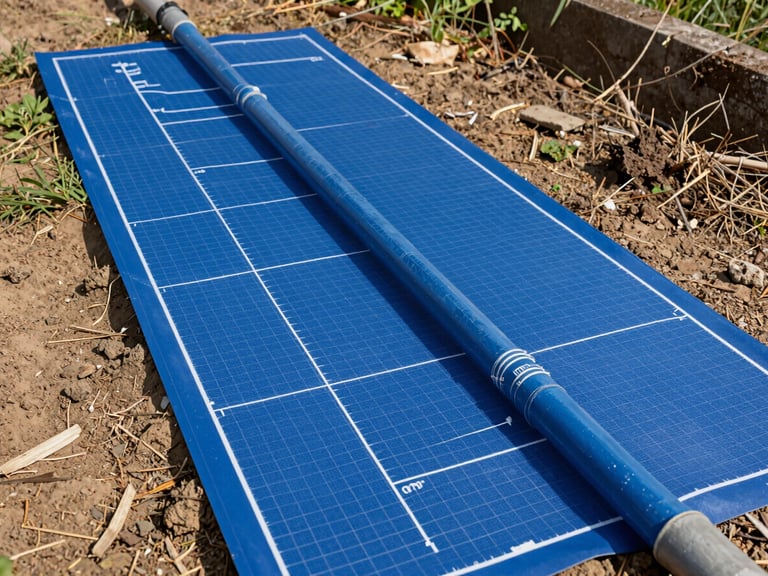

Engineering for Social Impact
We apply rigorous fluid mechanics and civil engineering principles to design sustainable gravity-fed water supply systems, bridging academic expertise with critical rural infrastructure needs in tribal regions.
Rigorous Academic Social Service
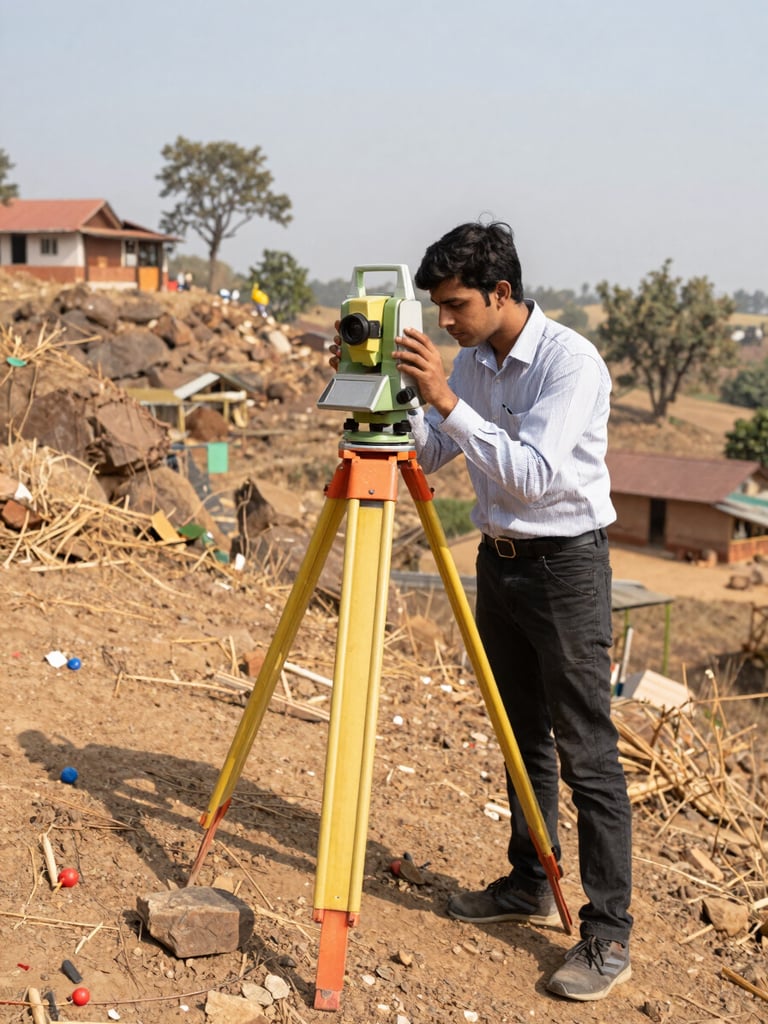
Every water supply scheme begins with student-led topographical surveys. By calculating daily water demand per capita against seasonal source fluctuations, we ensure engineered systems withstand regional challenges.
This academic model translates classroom fluid dynamics into concrete infrastructure. Students design, calculate, and implement pipeline networks, gaining field experience while providing vital resources to underserved tribal villages.
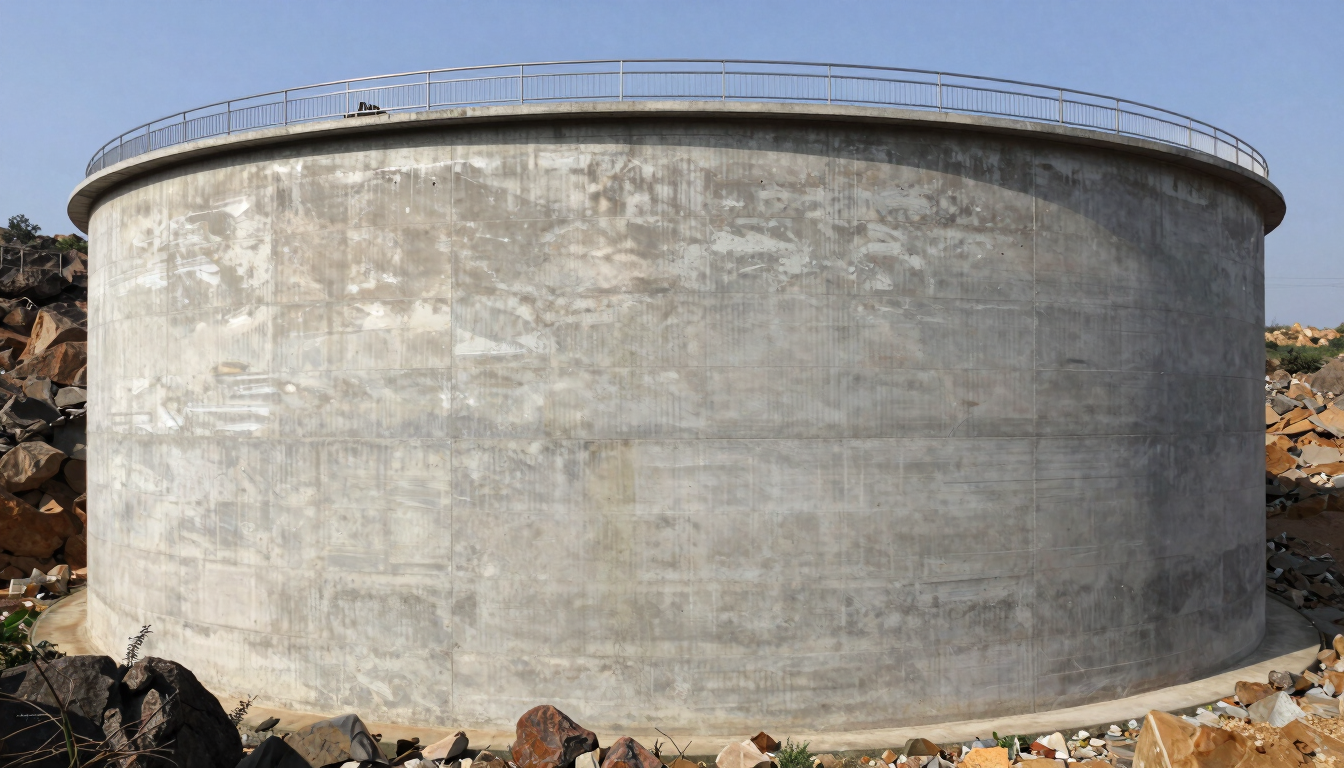
Four Stages of Engineering
Our structured methodology guarantees source sustainability and community ownership from initial survey to final handover.
Topographical Mapping
Hydraulic Modeling
Local Ownership
Students measure elevation profiles to map gravity-fed distribution paths.
We calculate pipe diameters and pump specifications for peak demand.
Projects are transferred to village committees for long-term maintenance.
Fourteen Active Water Schemes
Access the complete engineering profiles, longitudinal sections, and pump specifications for our active rural water supply initiatives.